Cashmere or Wool? A Practical Guide to Choosing Your Coat
Cashmere or wool? Sooner or later, anyone shopping for a quality winter coat faces this question. Both fibres are natural, warm and elegant, yet they differ in meaningful ways: from the fineness of the fibre itself to how much care they ask of you. In this guide we compare the two the way a workshop does, point by point, so you can buy with confidence.
Fibre Fineness: Where the Difference Begins
Cashmere comes from the soft undercoat of cashmere goats, with fibres typically measuring 14 to 19 microns. Wool is shorn from sheep: fine types such as merino usually sit around 18 to 24 microns, while classic wools run 25 microns and above. The lower the micron count, the softer the cloth feels and the less it prickles against the skin. This fineness is the foundation of cashmere's reputation for luxury: a finer fibre means a softer, lighter fabric.
Warmth-to-Weight
Cashmere fibres trap air remarkably well, which is why cashmere generally feels noticeably warmer than sheep's wool of the same weight. A cashmere coat can look slim yet keep you surprisingly warm. Wool delivers warmth through density and body: it feels heavier, more structured, and usually stands up better to wind. For harsh, windy winters a densely woven wool coat performs beautifully; if lightness and a refined drape matter most, cashmere takes the lead.
Softness and Feel
Against bare skin, cashmere wins with ease: it feels almost weightless and never scratchy. Wool varies widely by type; merino is pleasantly soft, while coarser wools can feel rough. Keep in mind that a coat is usually worn over other layers, so softness matters most at the collar, the cuffs and wherever the fabric actually meets your skin.
Pilling
Let us be honest: cashmere tends to pill sooner than wool, especially in its first season. Short, fine fibres work their way to the surface through friction and form small bobbles. With high-quality, long-fibre cashmere the problem usually eases over time, and pills can be lifted gently with a cashmere comb. Tightly woven wool is generally more resistant. In both fabrics, friction zones show pilling first: the shoulder under a bag strap and the inner sleeves.
Lifespan and Durability
Wool fibre is naturally elastic: it bends and springs back into shape. That is why a wool coat handles intensive daily wear better and, with proper care, can last for decades. Cashmere is more delicate, but calling it short-lived would be unfair: treated with care, a fine cashmere coat keeps its elegance for many years. The real difference lies in how you will wear it. For daily commutes with a bag on your shoulder, wool is the more sensible investment; for the office and special occasions, cashmere will serve you long and gracefully.
Care: Both Need Attention, Cashmere a Little More
The basics are the same for both: air the coat after wearing, let it rest between outings, hang it on a wide wooden hanger, keep cedar nearby against moths, and reserve dry cleaning for real stains rather than routine. Cashmere simply asks for a gentler hand: steam and air it more often instead of frequent dry cleaning, and remove pills with a comb rather than a razor. Give either fibre this attention and it will repay you for years.
A Word on Alpaca and Wool Blends
The choice is rarely limited to two pure fibres. Alpaca is light and warm; blended with wool, it raises a coat's warmth while reducing its weight, and it adds a subtle, noble sheen. Wool-cashmere blends offer a balanced middle path: the resilience of wool with the softness of cashmere. Check the composition label carefully; even a modest share of cashmere changes how a fabric feels.
Side-by-Side Comparison
| Feature | Cashmere | Wool |
|---|---|---|
| Fibre fineness | Typically 14-19 microns | Merino 18-24, classic wool 25+ microns |
| Warmth-to-weight | Generally warmer at the same weight | Warmth comes from density and body |
| Softness | Very high, never scratchy | Varies by type; merino is soft |
| Pilling | More noticeable in the first season | Tight weaves usually resist better |
| Lifespan | Long with careful wear | More durable under heavy daily use |
| Care | Needs a gentler routine | Relatively easy |
Conclusion: Which One Should You Choose?
Here is a simple decision framework. Intensive daily wear, wind and city life: choose a densely woven wool. Lightness, softness and a polished look: choose cashmere. Want the best of both: a wool-cashmere blend is a smart compromise. Warmth without weight: look at alpaca blends.
At LC Leather Club we have been crafting outerwear by hand in our Istanbul atelier since 1985, and made-to-measure tailoring is part of what we do. In our Istanbul and Antalya stores you can compare both fibres side by side; the truest test is still the first touch.
Featured Pieces
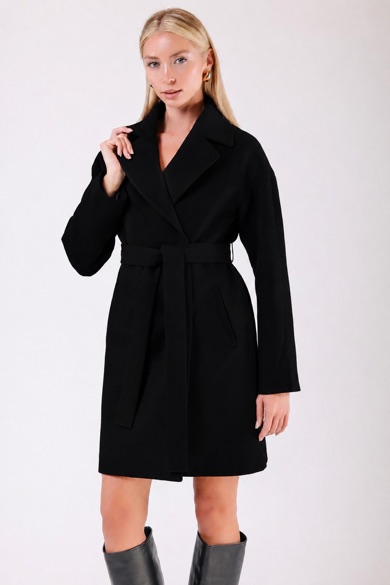
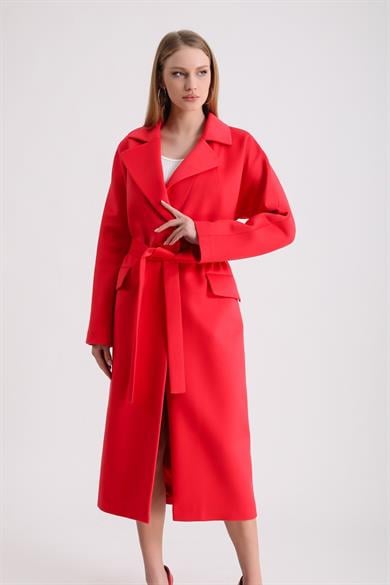
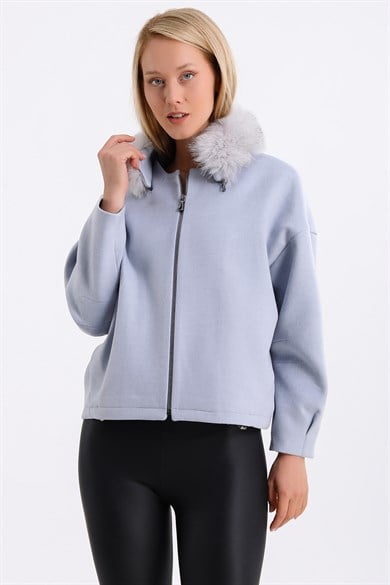
Related Guides
Related Collections