Types of Fur Coats Explained
Before you ever think about size, the most important decision in buying a fur coat is the pelt itself. Each of the types of fur coats carries its own warmth, weight, texture and character, and choosing well is the difference between a piece you wear for decades and one that feels wrong by the second season. Below is an honest, atelier-trained look at how the most sought-after furs really differ.
Mink: the all-rounder
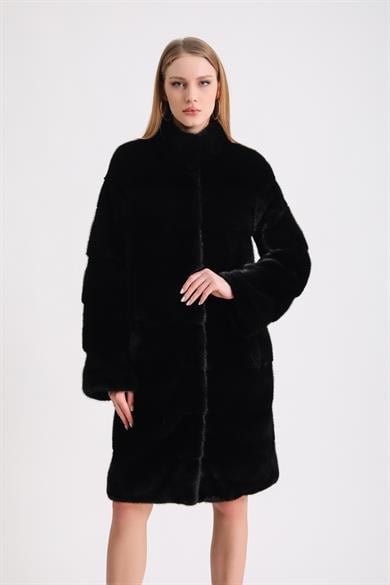
Mink is the fur most people picture when they hear "real fur coat," and for good reason. Its short, dense, silky guard hairs make it both lightweight and exceptionally durable; cared for properly, a mink coat lasts for generations. Sheared or left full-pelt, it gives an almost liquid sheen.
- Warmth: high, without bulk.
- Weight: light, even in a full-length coat.
- Durability: among the very best of any fur.
Russian sable: the connoisseur's choice
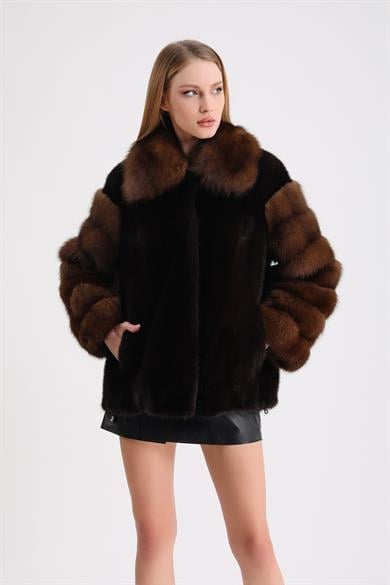
Russian sable sits at the very top of the prestige scale. It is extraordinarily soft, fine and light, and its hairs feel identical whether you stroke them forward or back, a classic hallmark that separates true sable from imitations. A natural depth of colour with a faint silver shimmer gives it timeless appeal. Because of its rarity and unmatched hand, sable occupies the highest value tier and is usually chosen as a lifelong heirloom rather than a seasonal purchase.
Fox: drama and volume
With its long, full, plush guard hairs, fox fur is for those who want presence. Silver fox, with its dark-tipped hairs over a pale underfur, is especially striking. Compared with mink or sable it reads as lighter but far more theatrical, and it works beautifully as a full coat, a vest, or as a collar and cuff trim. Choose fox when you want a confident evening statement rather than quiet daily elegance.
Lynx and chinchilla: the ultra-luxury niche
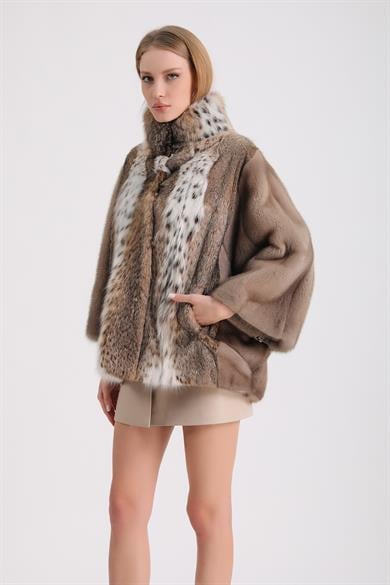
Lynx is prized for its long, soft fur and the rare spotted belly fur that connoisseurs seek out; its scarcity makes it a true collector's piece. Chinchilla is among the densest and softest furs in the world: dozens of fine hairs grow from a single follicle, which is why it feels like touching a cloud. With its signature slate-blue grey, chinchilla ranks among the most expensive furs of all. Both are low-volume, high-value pieces bought out of genuine passion.
Persian lamb (astrakhan): the lightweight classic
Persian lamb, also known as astrakhan or karakul, offers a completely different aesthetic. Rather than long hairs, it has a tight, lustrous curl and an almost velvety surface; the finest, flattest grade is called broadtail or swakara. It is surprisingly light and warm, and tailors beautifully into structured, architectural cuts. It suits anyone who wants restrained, classic luxury without the volume of a plush fur.
Which fur suits you?
Weigh three questions together: where you will wear it, how much volume you want, and the investment you are planning.
- Everyday, a first fur: mink.
- A lifelong heirloom, top prestige: Russian sable.
- Evening, drama, volume: fox.
- Collector, rare texture: lynx or chinchilla.
- Light, classic, architectural: Persian lamb.
Whichever you choose, a fur's real value lives in the craftsmanship: how the pelts are matched, how the seams disappear, and how the coat sits on your body. At LC Leather Club we have brought together genuine leather, real fur and cashmere in Istanbul since 1985, cutting each piece made to measure. Transparency about real fur is our stance, and the surest guide of all is to see a pelt and feel its weight before you commit.
Fur Types Comparison Chart
| Fur Type | Warmth | Lightness | Sheen | Everyday Durability | Character and Feel |
|---|---|---|---|---|---|
| Mink | High | High | High | Very high | Dense, soft and timelessly classic |
| Sable | Very high | Very high | Very high | High | Rare and luxurious, with a deep silky texture |
| Fox | High | Medium (voluminous pile) | High | Medium | Full-bodied, vivid and eye-catching |
| Astrakhan | Medium | High | Medium (matte curl) | High | Structured and elegant, with a graphic curl pattern |
| Rex Rabbit | Medium | Very high | Medium to high | Medium (needs gentle care) | Silky, velvet-like softness |
| Lynx | High | Medium | Medium to high | Medium | Rare and striking, with a spotted pattern |
| Chinchilla | High | Very high | High | Low to medium (delicate) | Exceptionally soft, delicate texture |
| Mouton / Toscana | Very high | Medium (full build) | Medium | Very high | Sturdy, comfortable and made for everyday wear |
Choosing among fur types comes down to how often you will wear the piece, how much lightness you expect and the look you are after. For frequent everyday wear, durable furs such as mink and mouton are generally the strongest choices, while rare furs like sable, lynx and chinchilla tend to shine on special occasions. At LC Leather Club, handcrafting in Istanbul since 1985, we offer made-to-measure tailoring and one-on-one guidance to help you find the fur type that truly fits your lifestyle.
Featured Pieces
Related Guides