Astrakhan Coat Prices: Karakul and Swakara
Astrakhan has the most recognisable texture of any fur: a light pelt with a tight curl or a flat, silky wave. The answer to "how much does an astrakhan coat cost?" spreads across a wide band depending on the type of curl, the quality of the pelt and how the coat is made. This guide explains what astrakhan is, what drives its price and how to choose, seen from our Istanbul atelier. The figures in the table are calculated from the pieces actually in stock in our store.
What is astrakhan? Karakul, swakara and broadtail
Astrakhan is the lamb pelt of the karakul sheep; it takes its name from the city of Astrakhan, where these pelts were historically traded. Karakul and Persian lamb are other names for the same family. Swakara is the trade name for karakul pelts from Namibia, known for a flatter, wavy, moiré pattern. Broadtail is the flattest and finest type, with a silk-like sheen that looks almost like fabric. In short, astrakhan comes in three main textures: tight curl, wavy moiré and flat.
The short answer: current astrakhan coat prices
The table below shows the lowest, highest and median price for each fur family in our collection. Seeing astrakhan next to mink, fox and sable shows its place in the fur hierarchy: light, durable and usually more accessible than long-haired furs.
| Material | In stock | Price range | Median |
|---|---|---|---|
| Sable | 17 | $663 - $8,040 | $5,226 |
| Mink | 53 | $784 - $5,025 | $3,015 |
| Fox | 33 | $181 - $2,613 | $444 |
| Astrakhan | 38 | $155 - $1,266 | $379 |
| Rex and lamb | 65 | $131 - $804 | $342 |
| Cashmere and wool | 720 | $111 - $1,646 | $241 |
| Genuine leather and suede | 891 | $91 - $1,105 | $241 |
The table is calculated from the pieces actually in stock and is refreshed with every update. It uses the body material: a wool coat with a fur trim counts as wool, not fur.
The table uses the body material: an alpaca coat with an astrakhan collar counts as wool, not astrakhan. You can browse every model on the astrakhan coats page.
What drives the price of astrakhan
- Texture and pattern: Flat, glossy pelts with an even moiré pattern (swakara and broadtail types) are rarer and cost more. Even, tight, lustrous curls are a sign of quality.
- Pelt quality and size: A pattern that runs unbroken across the pelt and a thin, supple leather base push the price up.
- Colour: Black, grey and brown are the classic tones. Dyed tones such as navy, green or petrol blue, and surface treatments such as croc print, mean extra processing.
- Reversible construction: Many astrakhan coats in our collection can be worn on both sides. A coat that must look finished when turned inside out takes more work.
- Trims and details: Fox, rex, mink or sable collars and hoods, leather piping and binding add the cost of that fur and labour.
- Length and cut: As with every fur, the pelt difference between a short jacket and a below-the-knee coat is a main part of the price.
The general logic of fur pricing is in what determines fur coat price, and a comparison of species in the fur types guide.
How to choose astrakhan
- How you will wear it: Astrakhan is thin and light, so it is comfortable in the city, in the car and on public transport. In very cold climates a long-haired fur is warmer.
- Texture: A tight curl reads classic, a wavy moiré reads modern and elegant, and a flat texture gives the plainest, most fabric-like look.
- Versatility: Reversible models give you two looks; trimmed models answer whether you want volume at the collar.
- Is it real? Look at the inside: in real astrakhan the curls grow from a leather base; imitations show a knitted fabric base. For the tests, read how to tell real fur.
Caring for astrakhan
The value of astrakhan is in its curl, and care is about protecting it. A shoulder bag strap or seatbelt rubbing in the same place will flatten the curl over time. Store the coat on a broad-shouldered hanger in a breathable cover, without crushing it. If it gets wet, shake it and let it dry at room temperature; never use a hair dryer or radiator, and never brush the curl. Leave cleaning to a fur specialist. More in the fur coat care and storage guide.
When buying
The material line on each product page names the body and the trim fur separately. If you fall outside the size chart or the colour you want is not in stock, made-to-measure is possible. You can try the models in our Antalya (Kepez) and Istanbul (Zeytinburnu) boutiques, or order online with worldwide shipping.
Frequently Asked Questions
Are astrakhan, karakul and swakara the same thing?
All come from the lamb pelt of the karakul sheep. Astrakhan and karakul are general names; swakara is the trade name for flatter, moiré-patterned karakul pelts from Namibia. Broadtail is the flattest and finest type.
Why is astrakhan usually more affordable than mink?
Astrakhan is a short, flat pelt that is used efficiently in a coat and gives a light result. Swakara-type moiré pelts and trimmed or reversible models can still reach the upper band; the current bands are in the table in this guide.
Is an astrakhan coat warm?
Astrakhan blocks wind and is warm enough for everyday city wear. In very cold climates furs with dense underfur, such as mink or fox, are warmer.
How do I keep the astrakhan curl from flattening?
Avoid friction from bag straps and seatbelts, store the coat on a broad hanger in a breathable cover, dry it away from heat if it gets wet and never brush the curl. Leave cleaning to a fur specialist.
Collection highlights
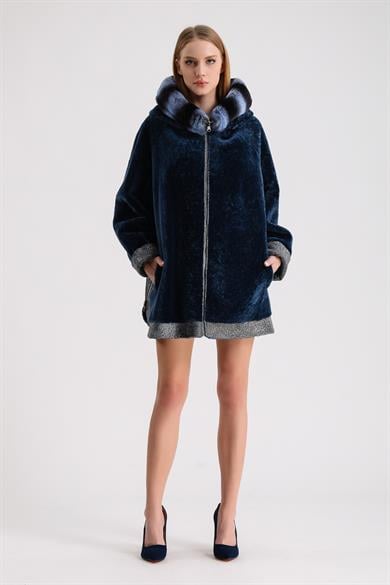
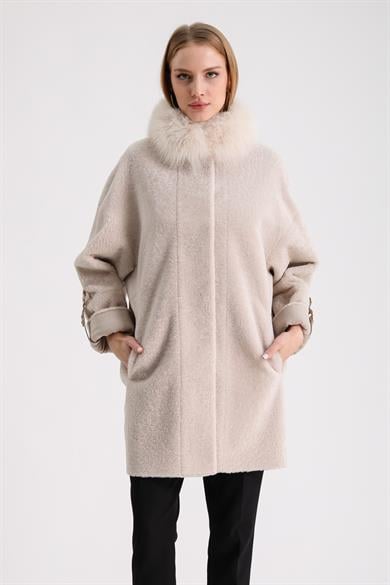
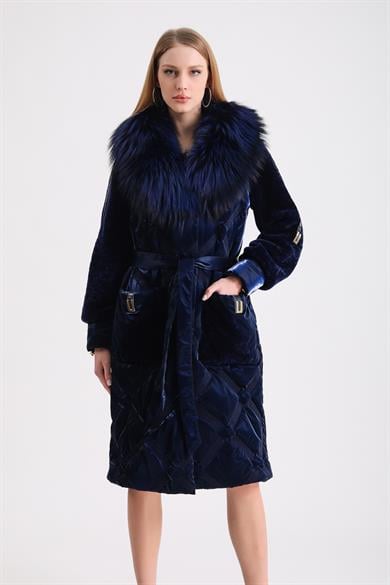
Related Guides
Related Collections
Persian Lamb Astrakhan Coats Fur Coats Fox Fur Coats & Vests Mink Fur Coats & Jackets