How to Choose a Fur Coat: Step by Step
A fur coat is one of the pieces that stays longest in a wardrobe, so choosing one should not be rushed. To find the right fur, ask first what you need, then which fur answers that need, and finally whether the coat in front of you has been well made. As an Istanbul atelier sewing fur since 1985, we have gathered here, step by step, what we explain to clients in our boutiques.
1. Purpose and climate
The first question should be "where and how often will I wear it?" A coat worn every day in a city with harsh winters and a fur taken to evening events in a mild climate are not the same garment.
- Cold climate, daily wear: durable furs with dense underfur, in below-the-knee or full lengths.
- Mild climate, city life: lighter furs, short jackets, gilets or fur-collared coats.
- Evenings and occasions: voluminous or lustrous furs and dramatic silhouettes.
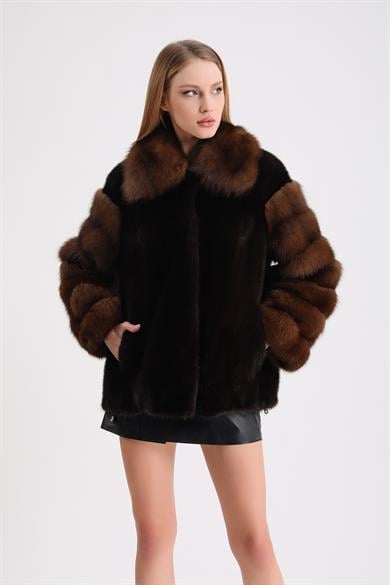
- If you drive often: hip-length cuts do not bunch up when you sit.
2. Fur type: which one suits you?
Every fur has its own character; the detailed comparison is in our fur types guide. In short:
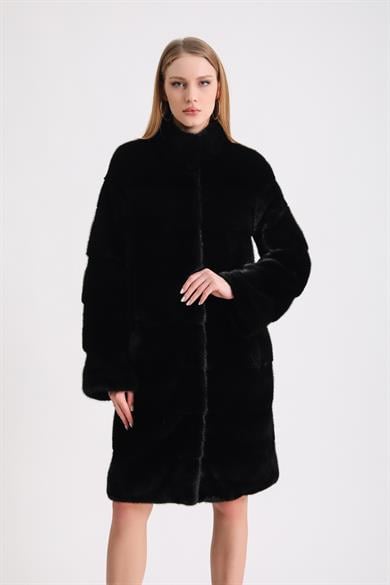
- Mink: short, dense, glossy hair; thanks to its durability one of the best furs for everyday wear.
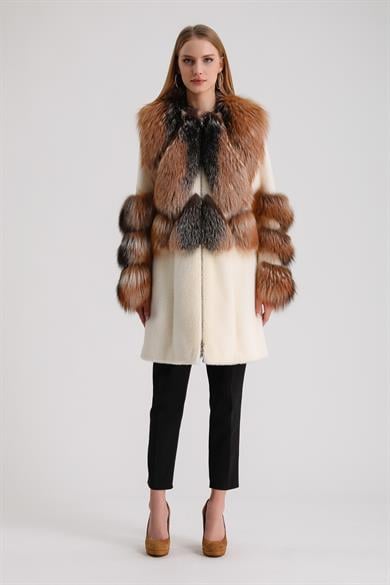
- Fox: long-haired, voluminous and very warm, with a wide natural colour range. We compare the two in mink vs fox fur.
- Sable: silky, light and very warm; it sits in the most prestigious class of fur.
- Astrakhan: a curled or moiré, flat and light surface; a good choice for slim silhouettes and milder climates.
- Chinchilla: extremely soft and light but delicate; it suits special occasions and careful wear.
- Rex: short, velvet-like hair; a light and accessible option.
- Shearling: leather on one side, wool on the other; closer to casual and everyday outfits.
3. Length and cut
A gilet or short jacket gives freedom of movement; an above-the-knee coat balances warmth and comfort; a full-length coat is the warmest and most striking silhouette. On petite frames an ankle-length coat can overwhelm the figure, while below the knee usually looks better proportioned. Look at the collar too: a shawl collar frames the face, a stand collar cuts the wind, and a hood is practical in cold climates.
4. Colour
For a first fur, black, brown and natural mink tones work with most of a wardrobe. Beige and white furs draw more attention but ask for more careful wear. Coloured and patterned furs become the single accent in a plain wardrobe.
5. Checking quality
Fur quality is judged up close, not from a distance. In the boutique or on delivery, check these points:
- Pelt matching: the pelts should agree in colour, hair length and density. Front, back and sleeves should look as if they came from one fur.
- Guard hair: the long guard hairs should be glossy, even and unbroken. Stroke the fur against the grain; it should fall back into place easily.
- Underfur: blow gently into the fur and you should see a dense, close underfur. Sparse underfur means less warmth.
- Suppleness of the leather side: well-tanned fur has soft leather; squeeze a fold in your hand and it should give, not rustle like paper.
- Seams: part the hair along a seam: stitching should be straight and close and should not show through the fur.
- Lining and fastenings: the lining should sit smoothly without pulling, and hooks and buttons should be firmly sewn.
To make sure the fur is real, use the tests in how to tell real fur.
6. Fit and sizing
Fur does not stretch like knitted fabric; it has to fit from the first day. Allow for a thick sweater underneath and, if you are between two sizes, take the larger one. The shoulder seam should sit where your shoulder bone ends and the sleeve should cover the wrist. The details are in our fur coat size guide. If standard sizes do not suit you, made-to-measure is available.
7. Price versus value
The price of a fur is set by the fur type, the number and quality of pelts, the length, the colour and the workmanship together. The cheapest option is often the most expensive: poorly tanned leather can dry out within a few seasons, and poor pelt matching becomes more visible with time. We explain the factors in what determines fur coat price.
8. Think about care
Plan the care before you buy: fur is stored on a broad-shouldered hanger, in a breathable cover, in a cool, dark wardrobe, away from heat, perfume and plastic bags. The full routine is in fur coat care and storage.
Buying checklist
- I know where and how often I will wear the coat.
- I have chosen a fur type that suits my climate and use.
- I have decided on the right length for my height and daily life.
- I have checked that the pelts match in colour and hair length.
- I have stroked the guard hair and blown into the underfur.
- I have felt that the leather side is soft and does not rustle.
- I have inspected the seams and lining.
- I have tried the size with the layer I will wear underneath.
- I have planned how I will care for and store it.
Browse every model on our fur coats page, or try them on in our boutiques in Antalya (Kepez) and Istanbul (Zeytinburnu). We ship worldwide.
SSS
Which fur is best for a first fur coat?
For everyday wear, mink is a good start thanks to its durability and how easily it pairs with a wardrobe. If you want more volume, consider fox; for a mild climate and a slim silhouette, astrakhan. Let how often you will wear it and where you live decide.
How can you tell a good quality fur coat?
Check that the pelts match in colour and hair length, that the guard hair is glossy and unbroken, that blowing into the fur reveals dense underfur and that the leather side is soft and does not rustle. Seams should not show through the fur and the lining should sit smoothly.
Should I size up in a fur coat?
Our patterns generally run true to size, so start with your everyday size. If you are between two sizes or plan to wear a thick sweater underneath, take the larger one. If your measurements do not match the chart, made-to-measure is available.
What should I check when buying a fur coat online?
Read the fur type, length and measurements in the product description, compare the size chart with your own measurements, and on delivery inspect pelt matching, the leather side and the seams. You have a 14-day right of withdrawal on all pieces except made-to-measure orders.
Collection highlights
Related Guides