Shearling vs Fur: A Practical Buying Guide
Shearling vs fur is one of the questions we hear most often before a serious outerwear investment. Both are natural, both are genuinely warm, and both can last for decades with proper care. Yet they are built differently, wear differently and demand different habits from their owner. As a house that has hand-crafted both in Istanbul since 1985, we have gathered the differences that actually decide the purchase.
Construction: One Piece of Hide and Wool, or a Pelt?
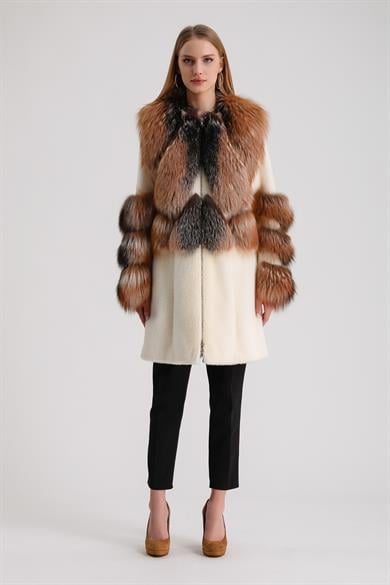
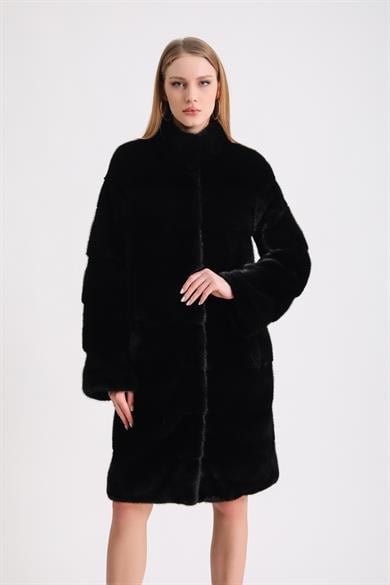
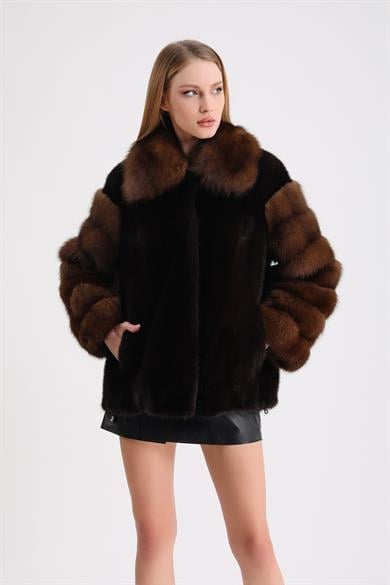
Shearling (often called Toscana in its long-wool form) is lambskin tanned with the wool still attached. The outside is suede or smooth nappa leather, the inside is natural wool, and the two are one inseparable piece. A classic fur coat reverses the logic: the hair faces outward, the leather base sits inside and is usually covered with a lining. The dense, glossy surface you admire on mink, fox or sable is the outside of the garment itself.
This single difference drives everything below. In shearling, leather shields you from the elements while wool insulates from within; in fur, the hair layer is both the beauty and the insulation.
Warmth: Both Warm, in Different Ways
Both sit among the warmest natural materials, but they generate warmth differently. In shearling, air trapped between wool fibres holds body heat, while the outer leather layer blocks most of the wind. On dry, windy winter days the sheltered feeling of shearling is hard to match.
In classic fur, insulation comes from air trapped in the hair, and types with a dense underfur insulate exceptionally well. The short version: you will not be cold in either. If wind is your enemy, shearling usually wins; in still, deep cold, a dense fur is often a step ahead.
Weight and Comfort in Motion
Because hide and wool come as one piece, shearling is generally heavier than fur. For many wearers that weight is not a flaw but part of the appeal: a solid, protective garment that settles on the shoulders. Still, a long Toscana coat makes itself felt after a full day.
Fur weight varies by type, and many furs feel comparatively light and fluid. If your day moves between car, office and dinner and you value lightness, this is a real comfort advantage.
Everyday Durability
For daily, high-frequency wear, shearling's leather exterior is a clear advantage. Bag straps, seat belts and desk edges do not easily wear it down. A well-kept shearling keeps up with a demanding routine for years.
On a fur coat, the outer surface is the hair itself, so friction lands directly on it. Where a bag strap rests or where the back presses into a car seat, hair can flatten or thin over time. That does not make fur fragile; a carefully worn fur is passed down through generations. But if you want a piece for every day and every situation, shearling is the more forgiving choice.
Rain and Snow Tolerance
Let us be honest: no natural leather or fur enjoys a downpour. There are still meaningful differences. Light snow shakes off fur easily; shaking the coat out and letting it dry naturally in a cool spot is usually enough. Never dry a wet fur near a radiator or any heat source.
With shearling, the outcome depends on the finish: nappa (smooth leather) surfaces resist light precipitation well, while suede is sensitive to water spotting. A dusting of snow troubles neither, but on days when a soaking is likely, leave the suede piece at home.
Care
Both respect the same fundamentals: store on a wide, shaped hanger, in a breathable garment bag, in a cool and dry place, away from mothballs and direct sun. For fur, professional cleaning at the end of the season and cool storage through hot months noticeably extend the life of the hair. For shearling, revive suede with a soft brush and air the wool interior regularly; leave stains and deep cleaning to a specialist leather atelier.
Comparison Table
| Feature | Shearling | Classic Fur |
|---|---|---|
| Construction | Hide and wool in one piece | Pelt with hair facing out, lined |
| Warmth | Excellent in wind, balanced insulation | Exceptional with dense underfur |
| Weight | Generally heavier, solid feel | Varies by type, often lighter |
| Everyday durability | Friction-resistant, forgiving | Needs care at friction points |
| Rain and snow | Light snow fine, watch water on suede | Light snow shakes off, never heat-dry |
| Care | Brushing plus seasonal atelier care | Cool storage plus professional fur care |
Conclusion: Which One Is Right for You?
A simple framework to settle the decision:
- Daily wear, durability first: shearling.
- You live in a windy city: shearling's leather shell cuts the wind.
- Maximum warmth in still, deep cold: a dense classic fur.
- Lightness and a fluid silhouette: usually fur.
- Evenings and special occasions: the glow of fur is in a class of its own.
If you are still torn, the best test is trying both on. At the LC Leather Club stores in Istanbul and Antalya you can compare them side by side, and made-to-measure tailoring is available when you want a piece cut precisely to you. Chosen well, either one holds lasting investment value in a winter wardrobe.
Featured Pieces
Related Guides
Related Collections
Fur Coats Shearling Coats & Jackets Mouton & Toscana Fur Coats